

What Is Matcha Powder? Discover Its Benefits & How to Use It
Here's the simple truth: Matcha is a vibrant, finely ground powder made from specially grown and processed green tea leaves. Unlike traditional green tea where you steep the leaves and then toss them out, with matcha, you’re consuming the entire tea leaf. This whole-leaf approach is what gives matcha its incredible colour and packs such a nutritional punch.
What Is Matcha Powder Exactly?
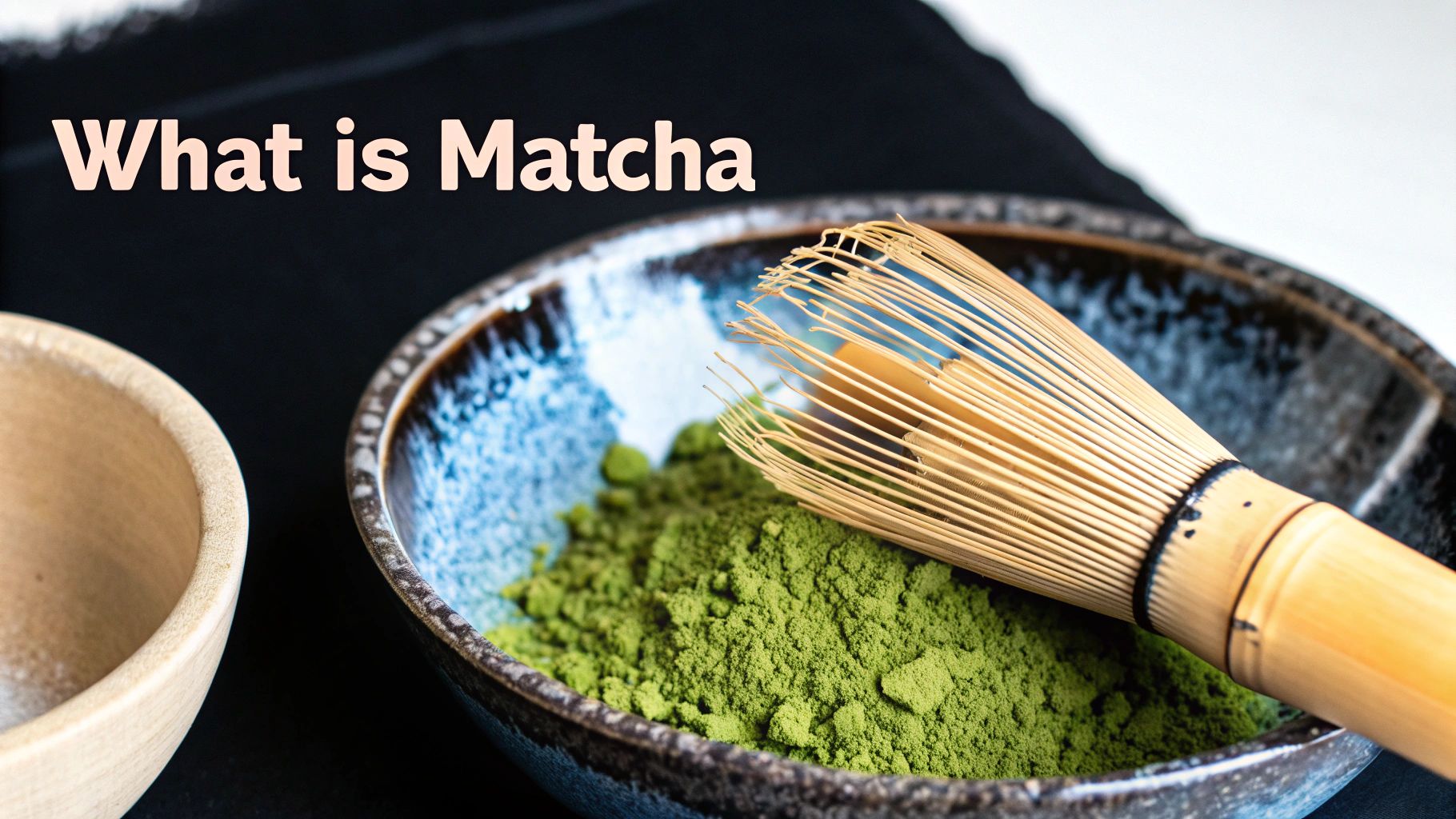
Think of it like the difference between drinking apple juice and eating a whole apple. The juice is nice, but eating the whole fruit gives you all the fibre and goodness. Matcha works on the same principle. By ingesting the powdered leaf, you get 100% of its health benefits, which means a far greater concentration of antioxidants and caffeine than you'd find in a standard cuppa.
This fundamental difference is also why matcha has such a uniquely complex flavour and a creamy, almost velvety texture. You're not just drinking tea-flavoured water; you're drinking the very essence of the tea leaf itself. That's what sets it apart from every other tea in the world.
More Than Just Ground Tea
It’s easy to think matcha is just any old green tea leaf blitzed into a powder, but the reality is far more artful. The journey to creating a premium-grade matcha, like the blends we craft at Amatsu, begins weeks before the tea leaves are even picked. The tea plants are carefully shaded from the sun.
This shading process is a crucial step. It forces the plants to work harder, overproducing chlorophyll and amino acids—especially a wonderful compound called L-theanine. This is what creates matcha's defining characteristics:
- Vibrant Green Colour: The extra chlorophyll floods the leaves, giving high-quality matcha its signature emerald green hue.
- Rich Umami Flavour: That boost in amino acids develops a smooth, savoury taste that lacks the bitterness often associated with other green teas.
- Calm Alertness: L-theanine works in harmony with the caffeine, promoting a state of relaxed focus without any of the coffee jitters.
The careful cultivation and whole-leaf consumption means that one bowl of matcha can offer the nutritional equivalent of up to ten cups of regularly brewed green tea.
Ceremonial vs Culinary Grades
Now, it's important to know that not all matcha is created equal. The quality is generally split into two main grades: Ceremonial and Culinary.
Ceremonial grade, like our Amatsu Pure blend, is the highest quality you can get. It's made from the youngest, most tender tea leaves from the very first harvest of the year. These leaves are meticulously de-stemmed and de-veined before being slowly stone-ground into an ultra-fine powder. This grade is intended for the traditional tea ceremony—simply whisked with hot water—where its subtle sweetness and deep umami flavour can be truly appreciated. To learn more about this top-tier variety, you can read our complete guide to ceremonial matcha powder.
Culinary grade, on the other hand, comes from later harvests. This gives it a stronger, more robust flavour that can be a little bitter, making it perfect for mixing into lattes, smoothies, and baking, where it can hold its own against other ingredients.
The Ancient Origins of Matcha Powder
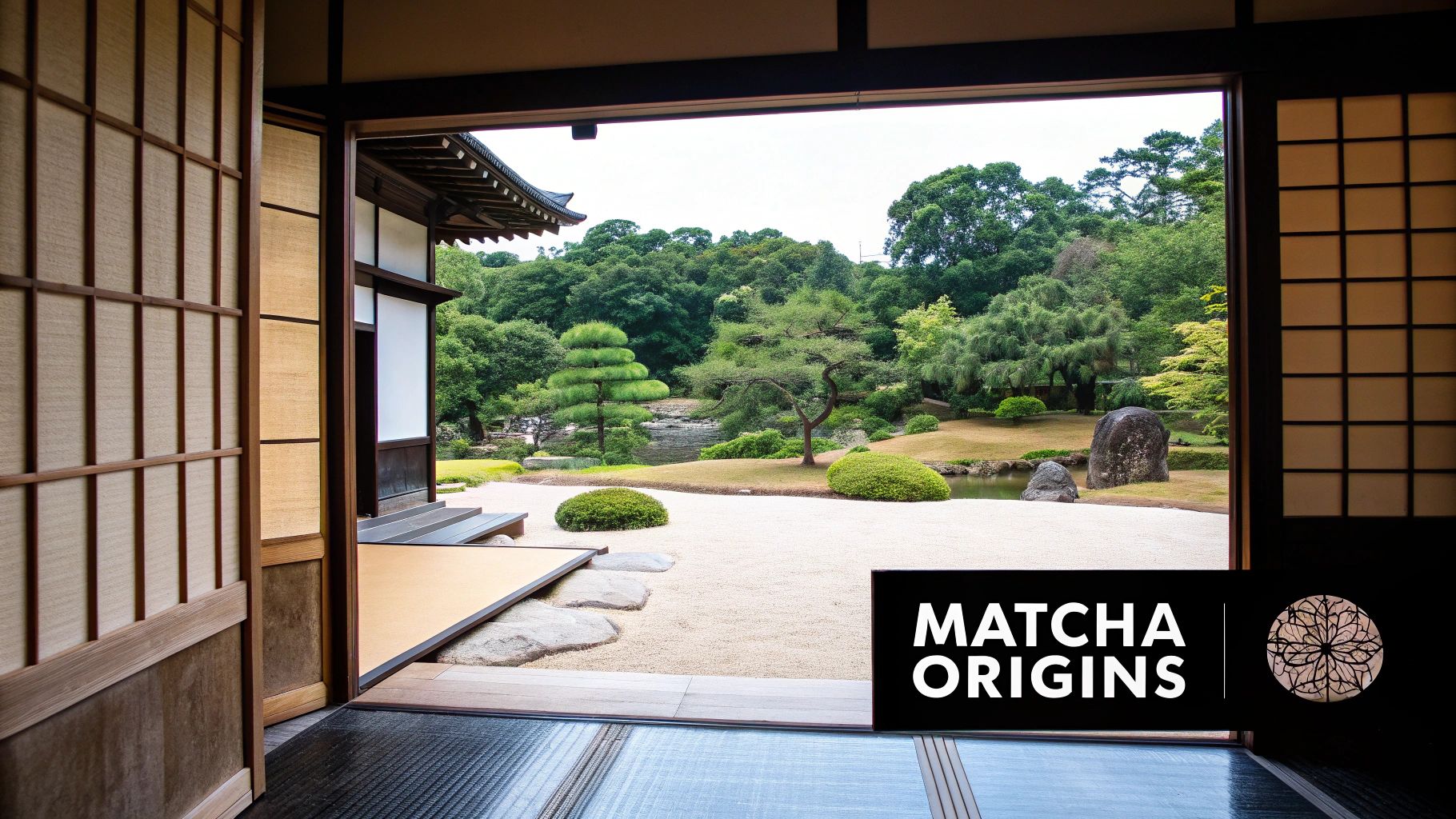
While matcha might seem like a modern health trend, its story is actually woven deep into the fabric of ancient history. The journey of this vibrant green powder starts not in Japan, as many believe, but in Tang Dynasty China, stretching from 618-907 CE. Back then, tea leaves were steamed and pressed into solid bricks, which made them much easier to transport and trade.
To brew a cup, people would break off a small piece of the brick, toast it, and then grind it into a fine powder. This powder was then whisked with hot water until a frothy drink formed. This was the earliest ancestor of the matcha we know and love, setting the stage for a tradition that would eventually find its true home across the sea.
Arrival and Adoption in Japan
The real magic began in the 12th century when a Japanese Zen Buddhist monk, Myōan Eisai, returned from his studies in China. He brought with him two precious things: the teachings of Zen Buddhism and the seeds of the tea plant. Eisai quickly saw something special in this powdered green tea.
He found that drinking it helped him and his fellow monks stay in a state of calm, focused awareness during their long hours of meditation. The unique blend of caffeine and the amino acid L-theanine offered a gentle, sustained mental clarity, but without the jittery buzz you'd get from other caffeinated drinks. It was the perfect companion for achieving the mindful alertness at the heart of Zen practice.
Eisai famously wrote, "Tea is the ultimate mental and medical remedy and has the ability to make one's life more full and complete." This belief cemented matcha's role in monastic life, transforming its preparation into a cherished ritual.
From Monastic Ritual to Cultural Art Form
Over the next few centuries, Zen monasteries became the hubs for perfecting matcha. The monks honed every step of the process, from cultivation to processing. They developed the crucial technique of shading the tea plants just before harvest, a step that dramatically enhances the tea’s flavour, colour, and potency.
This incredible dedication elevated matcha from a simple meditation aid to something much more profound. By the 16th century, the legendary tea master Sen no Rikyū laid down the principles for the Japanese tea ceremony, known as Chanoyu, or "the Way of Tea."
This beautiful, intricate ceremony turned the simple act of making a bowl of matcha into a spiritual practice. It's built around four core principles:
- Harmony (Wa): Creating a sense of unity with nature and those around you.
- Respect (Kei): Showing genuine respect for all things and people.
- Purity (Sei): Nurturing a pure heart and mind in both the host and the guests.
- Tranquillity (Jaku): Reaching a state of profound calm and inner peace.
Today, every bowl of high-quality matcha holds the weight of this incredible history. Understanding the journey of what is in matcha powder gives you a much deeper appreciation for this ancient tradition. When you prepare a bowl of Amatsu Matcha, you’re not just making a drink—you're connecting with a legacy of mindfulness and artistry that has been treasured for over 800 years.
How Premium Matcha Is Grown And Produced
That vibrant, emerald green colour you see in high-quality matcha isn't an accident. It’s the result of a truly artful process that starts weeks before the tea leaves are ever picked. Unlike your average green tea, the journey of premium matcha—like the blends we craft at Amatsu—involves a unique cultivation method that completely changes the leaf's chemistry and flavour profile. This meticulous process is what separates a dull, bitter powder from the smooth, rich experience of a true ceremonial-grade tea.
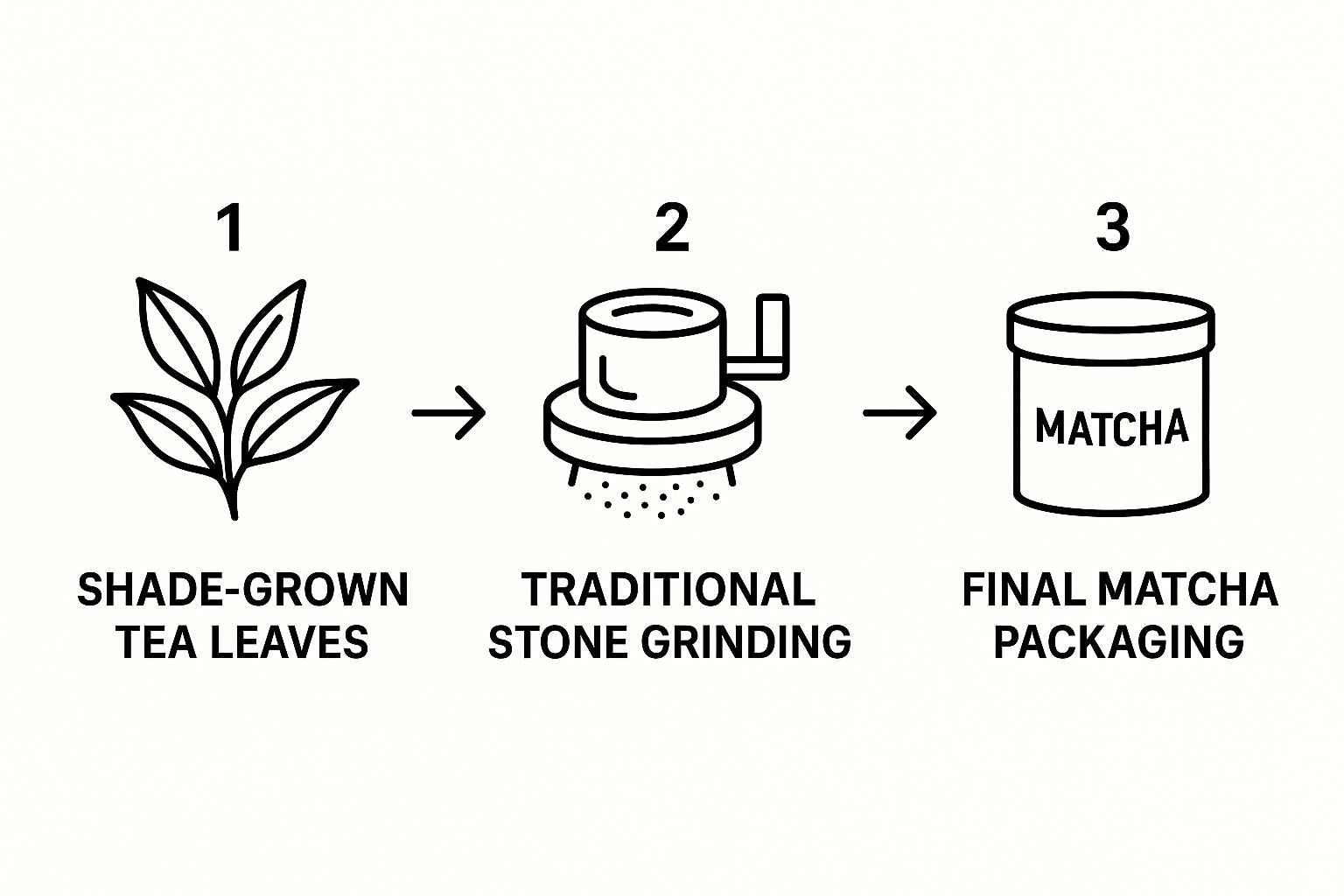
The most important step is shade-growing. About three to four weeks before the spring harvest, the tea plants (Camellia sinensis) are carefully covered with bamboo mats or tarps. Shielding them from direct sunlight might seem simple, but it triggers a powerful change within the leaves. Starved of light, the plant goes into overdrive, producing extra chlorophyll to capture every last ray.
This chlorophyll boost is what gives matcha its signature vivid green hue. At the same time, the shade forces the plant to produce more amino acids, especially L-theanine. This is the magic compound that gives premium matcha its sought-after umami—a deep, pleasant, savoury flavour—and smooths out any potential bitterness.
From Leaf to Tencha
When harvest time arrives, only the youngest, greenest, and most tender leaves are selected, often by hand, to ensure an exceptional standard. Once picked, it’s a race against time. The leaves must be processed quickly to prevent oxidation, which would turn them brown and ruin their delicate taste.
To lock in that freshness, the leaves are promptly steamed for less than a minute. This quick blast of heat stops the enzymes that cause oxidation, preserving the bright green colour and all the nutrients developed during the shading phase. After steaming, the leaves are gently air-dried.
Next comes the really painstaking part: de-stemming and de-veining. Every single fibrous stem and vein is meticulously removed, leaving behind only the pure, tender flesh of the leaf. This refined, dried material is called tencha—the raw ingredient for all true matcha.
The Final Transformation into Powder
The final step is to transform the tencha into an incredibly fine powder. For the best ceremonial-grade matcha, this is done by slowly and deliberately stone-grinding it between large granite wheels, known as ishiusu. These mills turn with a slow, methodical rhythm to mill the tencha into a powder with the consistency of talc.
The stone mills are kept intentionally slow to avoid generating heat. Any excess warmth could scorch the delicate tencha, damaging its flavour and aroma. Using this traditional method, it can take up to an hour just to grind 30 grams of matcha powder.
This slow, careful process is a real testament to the craft behind premium matcha. And it seems people are noticing. The UK matcha tea market is projected to grow from USD 340 million in 2025 to approximately USD 790 million by 2031. This growth is largely driven by a growing awareness of the health benefits locked in by this careful process. You can read the full research on the UK's growing demand for matcha.
Ultimately, it’s this combination of shade-growing, precise harvesting, and traditional stone-milling that defines the quality of genuine matcha and sets it apart.
Understanding The Different Grades Of Matcha
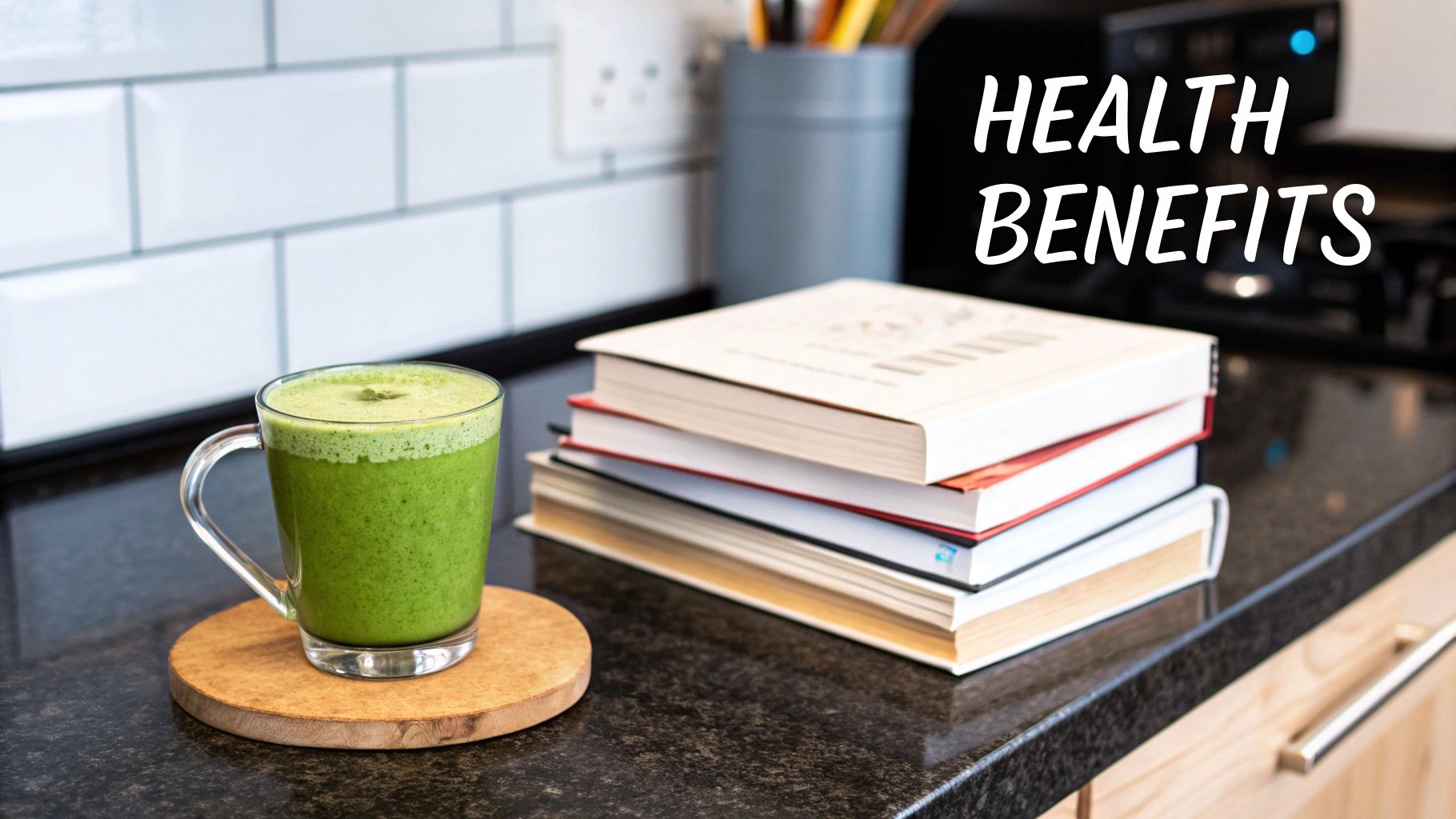
Walking into the world of matcha can feel a bit overwhelming at first, especially with all the talk of different "grades." But it's actually quite simple. Everything boils down to two main players: Ceremonial Grade and Culinary Grade. Knowing which one to reach for is the secret to getting the flavour and experience you're after.
I like to think of it like wine. You have your exquisite, vintage red that you’d sip and savour on its own, and then you have your hearty cooking wine that adds incredible depth to a stew. You wouldn't swap one for the other, right? It's exactly the same with matcha.
The Pinnacle of Quality: Ceremonial Grade
This is the best of the best. Ceremonial Grade matcha is crafted from the youngest, most tender tea leaves plucked during the first spring harvest (Ichibancha). These are the most prized leaves, and they’re meticulously stone-ground into a powder so fine it feels like silk.
This is the matcha for drinking straight, prepared the traditional way by simply whisking it with hot water. Its flavour is what devoted matcha drinkers dream of:
- Flavour: Naturally sweet, with a complex and deeply savoury umami character. There’s almost no bitterness to be found.
- Texture: That ultra-fine grind creates a wonderfully smooth, creamy drink with a thick layer of froth on top (if you whisk it right!).
- Colour: A stunning, vibrant jade green. This vivid colour comes from the high chlorophyll levels developed during the shade-growing process.
For that pure, meditative moment where the tea is the star of the show, Ceremonial Grade is the only way to go. Our Amatsu Pure blend is a perfect example, designed specifically for this authentic, time-honoured experience.
The Versatile Workhorse: Culinary Grade
Culinary Grade matcha, on the other hand, is all about versatility. It’s usually made from leaves picked in later harvests, which gives it a stronger, more assertive flavour that can have a hint of bitterness. This isn't a flaw—it's a feature. This robustness is exactly what you need when you're mixing it with other ingredients.
If you were to use a delicate Ceremonial Grade in a latte, its subtle, nuanced notes would be completely drowned out by the milk and sweetener. Culinary Grade is built to cut through those other flavours and let the taste of matcha shine. It’s the perfect choice for lattes, smoothies, baking, and even savoury cooking.
Choosing the right grade makes all the difference. For your morning latte, you need a powder with enough backbone to be noticed. For a functional blend like our Amatsu Strength with creatine or Amatsu Shrooms with Lion's Mane, a robust matcha base is essential to carry the other ingredients without getting lost. Using the right matcha for the job will completely transform your daily ritual.
The Science Behind Matcha's Health Benefits
Beyond its incredible flavour and rich history, what is matcha powder truly known for? It’s a nutritional powerhouse, and modern science is finally catching up to what ancient wisdom has known for centuries. The secret to its wellness benefits isn't just one thing, but a unique synergy of powerful compounds you simply won't find in your morning coffee.
It all starts in the tea fields. The meticulous shade-growing process, a non-negotiable step for premium matcha, is what kick-starts the creation of these beneficial molecules. By shielding the leaves from direct sunlight, the plant goes into overdrive, producing higher levels of chlorophyll and amino acids. This is what gives us that vibrant green powder packed with goodness.
This careful cultivation creates a drink that offers so much more than a simple caffeine hit. It provides a foundation for sustained well-being, enhancing everything from your mental clarity to your body's cellular health.
The Magic of L-Theanine and Calm Alertness
Ever had a coffee that left you feeling jittery, anxious, and inevitably heading for a crash? Matcha offers a completely different experience, and it's all thanks to a remarkable amino acid called L-theanine.
L-theanine works in perfect harmony with the natural caffeine in matcha. Instead of a sharp, jarring spike in energy, it promotes a slow, steady release, creating a state of calm, focused alertness. There's a reason Zen monks have used matcha for centuries to stay awake and focused during long periods of meditation.
This unique partnership delivers some incredible benefits:
- Sustained Energy: You get hours of mental clarity without that dreaded afternoon slump.
- Reduced Jitters: L-theanine masterfully smooths out the stimulating effects of caffeine, preventing that anxious, restless feeling.
- Enhanced Focus: It helps to increase alpha brain waves, which are linked to a state of relaxed concentration.
This unique combination makes matcha the ideal drink for work, study, or any activity that demands both energy and a clear, composed mind. Our Amatsu Radiance and Shrooms blends are specifically crafted to lean into this feeling of balanced vitality.
A Rich Source of Antioxidants
Matcha is absolutely loaded with a class of antioxidants called catechins. These are powerful plant compounds that act like bodyguards for your cells, protecting them from damage caused by free radicals—unstable molecules that contribute to ageing and illness.
The real star of the show is a catechin called epigallocatechin gallate (EGCG). Because you consume the entire tea leaf when you drink matcha, you get a much higher concentration of EGCG than you would from a standard cup of steeped green tea. Some studies suggest it could be up to 137 times more.
This incredible antioxidant content is why the global wellness community is taking notice. In fact, the UK matcha tea industry's value is forecast to grow from around USD 137.25 million in 2025 to over USD 517.96 million by 2035. This massive growth highlights how many of us are now looking for products that support our health from the inside out. You can discover more insights about this market trend.
By incorporating a daily serving of Amatsu matcha into your routine, you're giving your body's natural defences a serious boost. For a deeper dive into how these compounds work, explore our complete guide to the many matcha powder health benefits.
How To Prepare The Perfect Bowl Of Matcha
Making a bowl of matcha is more than just brewing a drink—it’s a small ritual, a moment of focus and calm in your day. While the traditional ceremony might look complex from the outside, it’s actually a simple and mindful process that anyone can enjoy at home. Get the technique right, and you'll be rewarded with that beautifully smooth, frothy texture and deep umami flavour that makes high-quality matcha so incredible.
The first, and most crucial, step? Sifting your matcha powder. It might feel like an unnecessary bit of fuss, but this is the secret to a perfectly smooth, clump-free drink. Just pass a couple of teaspoons through a fine-mesh sieve to break up any little lumps.
This simple action ensures the powder dissolves seamlessly into the water, giving you a velvety finish instead of a grainy one. It truly makes all the difference.
The Traditional Method, Step By Step
With your powder sifted, you're ready to whisk up the perfect bowl. The trick is to use the right tools and a specific technique to create that iconic frothy layer. If you have an Amatsu starter kit, now's the time to grab it.
- Measure Your Matcha: Spoon 1-2 teaspoons (roughly 2-4 grams) of sifted matcha into your ceremonial bowl (chawan).
- Add Hot Water: Pour over about 60ml (2 ounces) of hot water. The temperature is key here—aim for around 80°C (175°F). Boiling water will burn the delicate leaves, leaving you with a bitter taste.
- Whisk Vigorously: Now for the fun part. Using your bamboo whisk (chasen), move your wrist quickly in a 'W' or 'M' shape. Avoid stirring in a circle; the goal is to whip air into the matcha to create a lovely foam. Keep going for 20-30 seconds until a thick, creamy froth appears on top.
That zig-zag whisking motion isn't just for show. It's specifically designed to dissolve the powder completely while infusing the liquid with tiny air bubbles. This is what creates the iconic frothy head, the hallmark of a properly prepared bowl of matcha.
A Modern Twist: The Creamy Matcha Latte
If you’re looking for something a bit more contemporary, a matcha latte is a wonderfully comforting alternative. It’s incredibly easy to make and ideal for anyone who prefers a milder, creamier flavour.
Start by making a concentrated shot of matcha using the traditional method above, but just use a little less water (around 30ml). As you're doing that, gently heat and froth 150-200ml of your favourite milk—oat and almond milk are fantastic options. Pour the frothed milk over your matcha shot, add a touch of sweetener if you fancy it, and you're all set. For a full walkthrough, take a look at our simple guide on how to prepare matcha at home.
The soaring popularity of lattes and other creative matcha drinks is driving some serious market growth. The global matcha market was valued at an impressive USD 4.24 billion in 2025 and is expected to climb to USD 6.48 billion by 2029, with demand in the UK staying consistently strong. It just goes to show how many of us are making matcha a part of our daily lives. You can learn more about these global matcha market findings to see the trend for yourself.
Got Questions About Matcha? Let's Get Them Answered
Now that we’ve journeyed from matcha’s ancient roots to its modern-day benefits, you probably have a few practical questions. That's completely normal. This is where we tackle the most common things people ask, so you can feel totally confident as you start making matcha a part of your life.
How Does The Caffeine In Matcha Compare To Coffee?
A standard serving of matcha typically has around 70mg of caffeine, while an average cup of coffee sits closer to 95mg. But that's only half the story. The way your body processes the caffeine is worlds apart.
Matcha is packed with an amazing amino acid called L-theanine, which works in harmony with the caffeine. Instead of the sharp spike and subsequent crash you get from coffee, matcha delivers a slow, steady release of energy. Think of it as a gentle lift that gives you calm, sustained focus without the jitters or anxiety.
Is It Okay To Drink Matcha Every Day?
Absolutely! For most people, enjoying a bowl or two of matcha each day is a wonderful, healthy habit. It's a simple way to get a huge boost of antioxidants and support your overall well-being.
Of course, like anything with caffeine, it’s all about balance. But matcha is far more suited to being a gentle daily ritual than a once-in-a-while jolt.
The real magic of matcha unfolds with consistency. Drinking it regularly is what allows beneficial compounds like L-theanine and EGCG to truly support your long-term health and focus.
How Do I Keep My Matcha Powder Fresh?
This is a crucial point. Matcha is delicate stuff. Its greatest enemies are light, air, and heat, which can quickly rob it of its vibrant green colour, complex flavour, and nutritional punch.
To keep it at its best, always store your matcha in an airtight, opaque container—and pop it in the fridge. Once you've opened a new tin of Amatsu Matcha, try to enjoy it within two months to experience its peak freshness. This simple step guarantees that every bowl you whisk up is as incredible as the first. Our guide on how to use matcha powder has even more tips.
Will Matcha Stain My Teeth?
It's a fair question, especially if you’re switching over from coffee. The good news is that matcha is much kinder to your smile. Coffee is highly acidic and well-known for causing stains, but matcha is a different story.
It contains compounds called catechins, which actually help to stop the growth of stain-causing bacteria in your mouth. While it's always a good idea to have a sip of water after any drink, you can rest easy knowing matcha is a far more tooth-friendly choice for your daily ritual.
Ready to experience the clarity and vitality of a true ceremonial-grade tea? Explore the Amatsu Matcha collection and find the perfect blend to elevate your daily ritual. Start your matcha journey today at amatsumatcha.com.
Read more
Discover the top mushroom complex benefits. Learn how adaptogens like Cordyceps, Lion's Mane, and Reishi can enhance your energy, focus, and overall wellness.
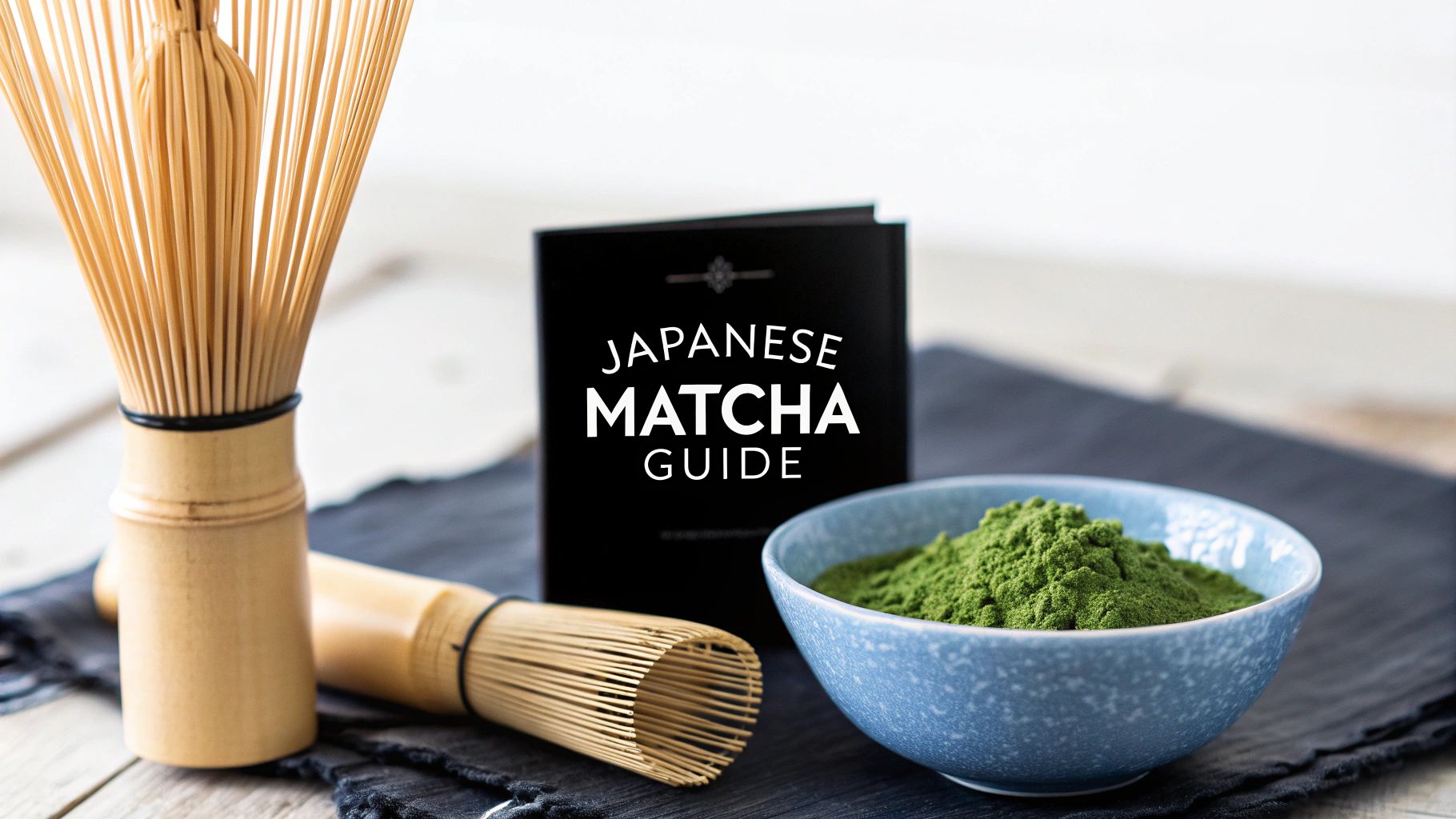
Discover everything about Japanese matcha green tea powder. Learn its benefits, how it's made, and how to choose the right grade for your daily ritual.